ARTICLE
How Pulp and Paper Manufacturers Protect Margins Through Better Trim Decisions
Published on: August 27, 2026
8 minutes read
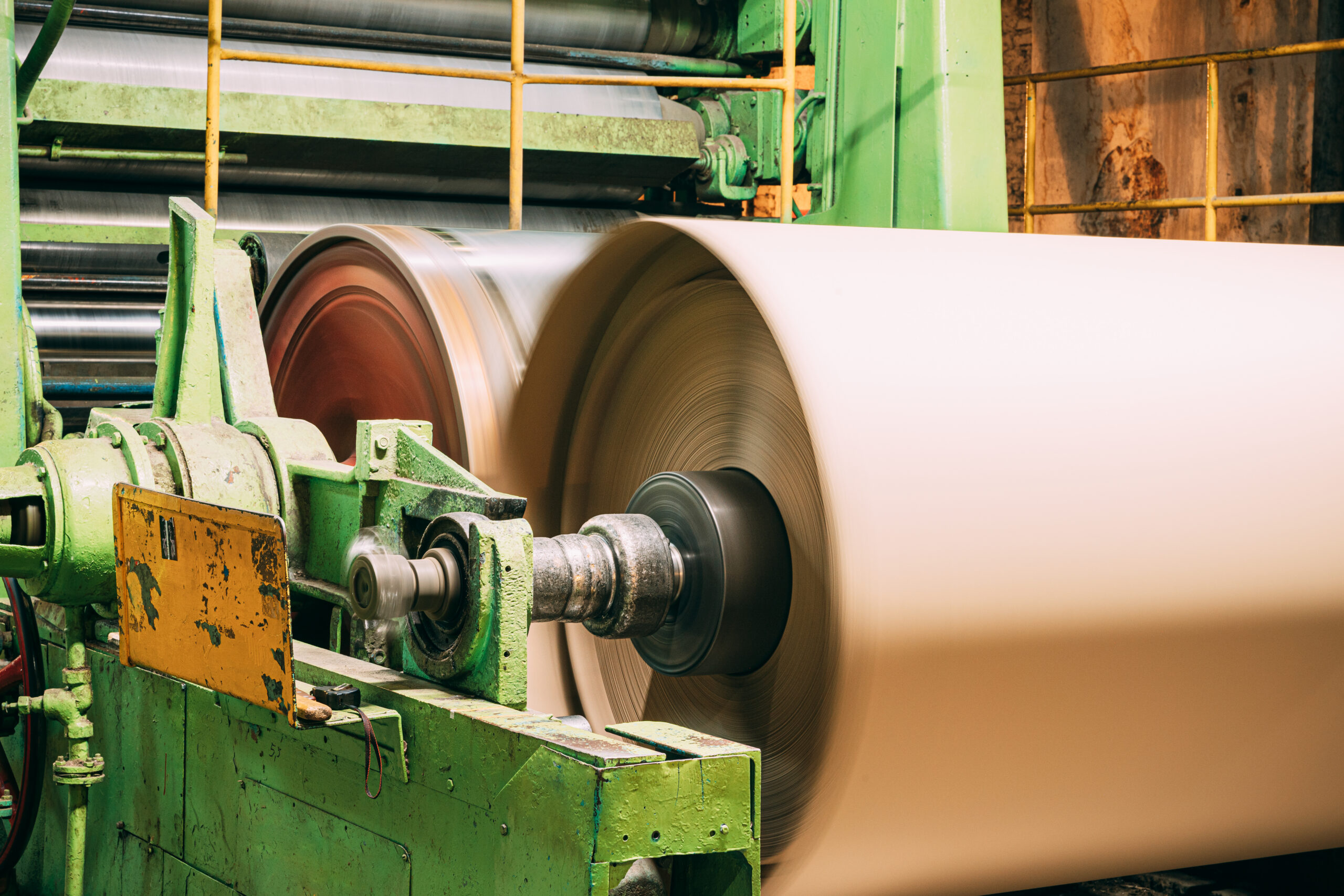
How Pulp and Paper Manufacturers Protect Margins Through Better Trim Decisions
Improving profitability isn't always about producing more. Often, it's about making better production decisions before a machine even starts.
For pulp and paper manufacturers, protecting margins has never been more challenging. Fiber costs remain volatile. Product portfolios continue to expand. As customer expectations evolve, manufacturers are facing a new reality: shorter runs, greater product customization, and production schedules that must adapt quickly to shifting business demands.
In today’s environment, trim planning is much more complex than simply reducing material waste. Every decision creates downstream impacts across the mill, affecting inventory, machine utilization, production planning, customer commitments, and profitability. True success extends beyond trim optimization; it comes from making the best overall business decision by balancing efficiency, service levels, and financial outcomes.
In this article, we'll explore why the highest-yield trim solution isn't always the best business decision and how smarter production planning can improve overall mill performance.
In this article
- Why isn't the highest-yield trim isn't always the best solution?
- What should mills do with inventory without an immediate saleable/storable outlet?
- What are the advantages of integrated trim planning versus standalone trim optimization?
- How does technology assist production planners in making better quicker decisions?
The Highest-Yield Solution Isn't Always the Best One
It's easy to assume the best trim solution is simply the one that produces the least waste. In reality, production planning is rarely that straightforward. Every trim solution involves dynamic decision making. Focusing on a single metric can create unintended challenges elsewhere within operations and supply chains.
Operational Constraints Matter
A trim pattern that improves material utilization may increase inventory, create additional handling, complicate downstream converting, or make it more difficult to meet customer delivery commitments. Even the most optimized trim plan must align with machine capabilities, winding requirements, core sizes, and production schedules to be practical within production
In some cases, a higher-yield trim solution may require additional handling, rewinding, or production changes that outweigh material savings. Ultimately, a slightly less efficient trim pattern can result in better operational performance.
The Best Outcome Balances Multiple Priorities
Experienced production planners generally don't relate optimization and efficiency to a single metric. They consider a balance of material yield, machine utilization, inventory, customer commitments, and operational efficiency.
Before selecting a solution, planners may need to consider:
- Can this be produced efficiently with the status of the mill/machines?
- Will it create unnecessary handling or rewinding?
- Does it align with the machine's production schedule and runability?
- Will it simplify - or complicate downstream within the supply chain?
- Does it meet customer expectations and commitments?
- Transportation and warehouse capacity and availability?
- Balancing customer orders late or early
The goal isn't to optimize a single production run - it's to select the solution that delivers the best overall outcome for the mill while protecting margins.
Looking Beyond Today's Production Run
The best solution isn't always found in today's production schedule. Sometimes planners can improve overall trim efficiency by looking ahead to future orders, adjusting production sequences, or working with customer service to potentially ship an order earlier when it makes operational sense.
This broader perspective is what separates tactical trim optimization from strategic production planning. Rather than optimizing each production run independently, experienced planners consider how today's decisions will affect inventory, customer commitments, and operational performance in the days and weeks ahead.
Integrated Planning Outperforms Standalone Optimization
The quality of a trim plan depends on the quality of the information behind it.
Trim Planning Doesn't Happen in Isolation
Trim optimization isn't simply about finding the most efficient trim pattern. Production planners need to account for the difference between what was planned and what actually happens during production. Factors such as customer orders, inventory, machine capabilities, logistics, production schedules, winding requirements, and actual production results all influence net production and the overall outcome.
Connected Information Leads to Better Outcomes
When this information is connected, planners can see how production decisions translate into actual results and adjust more quickly as conditions change. With data integrated in one place, information flows seamlessly in real time, giving planners the visibility they need to evaluate decisions based on the performance of the entire mill—not just a single trim plan.
Rather than asking, "Which trim pattern produces the least waste?", they can answer much broader questions:
- Can existing inventory satisfy demand?
- Will this create unnecessary handling or rewinding?
- Does this support today's production schedule?
- Are there future orders that create a better overall solution?
- What impact will this have on downstream operations?
Having this broader operational view helps planners optimize the performance of the entire mill - not just a single production run.
A Modern Pulp and Paper MES Supports Better Operational Decisions
As production environments become more complex, technology can help planners put this broader operational view into practice.
A modern pulp and paper Manufacturing Execution System (MES) gives planners the visibility they need to compare scenarios, understand trade-offs, and evaluate the broader operational impact of different options before committing to production.
Rather than relying on disconnected systems or manual calculations, planners can make faster, more informed decisions based on what's best for the entire operation.
Better Trim Planning Protects Mill Performance
Better trim planning isn't about finding the perfect trim pattern. It's about consistently making better production decisions.
Every day, production planners make choices that affect material utilization, inventory, production efficiency, customer commitments, and ultimately, mill profitability. Viewed individually, each decision may seem small. Collectively, they have a significant impact on operational performance across the mill.
Purpose-built pulp and paper software gives manufacturers the visibility and operational context needed to make those decisions with greater confidence. As operations become more complex, the mills that consistently improve margins will be those that equip their teams with the tools to optimize the performance of the entire operation - not just individual production runs.
Curious How Other Mills Are Improving Production Planning?
Our team has spent more than 40 years helping pulp and paper manufacturers improve operational execution through purpose-built software designed specifically for the industry. If you'd like to explore how mills are approaching trim planning and production optimization, we'd be happy to start the conversation.










Looking to streamline your roll, sheet, and bale manufacturing process? We’re here to help!